Day 128
Around 7.15am I reached the border between Nepal and India at Sunauli and at such an early hour was little prepared for the chaos confronting me. There were no official looking buildings and hundreds of people (and cows) were bustling past in every direction. I followed the main thrust of the crowd and before I knew it had crossed the border into India and was being loaded onto a bus. It then dawned on me that I should probably have had to show my passport at one point and so returned to the street. Eventually I was sent back to Nepal to get an exit stamp then had to search high and low for the Indian immigration office (hidden behind a shack) to get my entry stamp.
As there were now only 3 weeks left to my trip I decided to treat myself and so bought myself two seats on a jeep so that I could stretch my legs. A short two hour hop later and I had arrived in Gorakphur (a transport hub city in the north of India). Joining together with three other people on the jeep we found our way to the train station and settled down on the platform. We were a massive attraction for the locals who crowded round us. They constantly tapped us, waved at us and generally just stood very close and stared. At one point I counted 25 people focusing on me alone. Very disconcerting!
The train arrived roughly on time and I was glad that I had treated myself to an air conditioned carriage as it was baking outside. The specific class I chose (3AC) consisted of a long gangway with sets of two beds on the left and sets of six beds on the right. I was placed on the top bed of a row of six and spent the first few hours of the journey grazing my head against the ceiling. Nonetheless, this was utter luxury compared to my friends who had chosen to sit in the general (i.e. 3rd class) seating area.


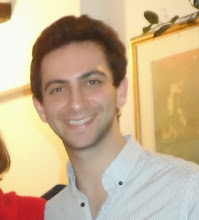
Aside from the air conditioning, the great benefit of choosing the upper class carriage was that I could mix with the Indian middle class. A woman a few beds below me had an incredibly cute 9 month old boy and was more than happy to let me play with him (as you may guess I am missing my nephew Oscar). She was traveling with her whole family and her mother was particularly friendly, sharing some of her 'barfi' with me (Indian sweets made from ground nuts and condensed milk, wrapped in a very pure (and hence edible) silver metal leaf known as 'vark'). I gave the whole family some of my cadbury's chocolate, but from the expression on their faces I wasn't sure it was to their taste. The highlight though was meeting Vinay (the guy next to me in the photos below). Vinay is from Gorakphur and fresh from graduating with his masters degree in engineering was getting the train to start a new job far from home. His English was excellent, but he told me he had never spoken to a Westerner before and he was obviously very excited at the prospect. We spent hours talking about everything and anything and became good friends.


Vinay's friendship proved to be particularly useful when we arrived at Varanasi; my stop for the next few days and one of the hardest cities in India in which to be a tourist. The rickshaw drivers at the train station are infamous con-artists who will pretend to take you to your destination, but really take you someplace else where they will gain a commission or, even worse, take you to a back alley and mug you silly. I was obviously pretty apprehensive therefore when I exited the station. Vinay however leaped to my rescue and made the taxi driver give him his license details and his phone number, with the instructions that I was to phone Vinay as soon as I arrived at my hotel. Any funny business and he would call the police. My what a good friend!
As might be imagined, I had no problems after this and arrived at my hotel perfectly safe and happy. The only incident of note on the way was that a member of the local mafia commandeered the rickshaw for a little while so he could have a free ride, but I wasn't complaining.
Day 129
Varanasi is one of the oldest continually inhabited cities on earth, having been founded in 1200 BC, and lies on the bank of the mammoth Ganges river. An incredibly holy pilgrimage site for Hindus, Indians in their thousands come here to wash away their sins in the holy water and to cremate their departed relatives. Apparently, if one dies in Varanasi then one escapes the cycle of birth and death and ends up straight in heaven. While I had no intention of passing on to the other side here, I certainly did want to witness many of these fascinating rituals.
The hotel was right on the banks of the Ganges and I enjoyed fantastic views from the restaurant area.


Now Varanasi is not a city for the faint-hearted. The narrow Medieval alleys are a complete maze and any journey involves climbing up and down crumbling stairways, crawling through narrow sewage-lined passages and ambling through people's lounges and kitchens. The full selection of life's intimacies are fully on show here and one can barely walk an inch without seeing grown women defecating in the middle of the street, naked children washing in the river and overly amorous dogs procreating here and there. One of the friends I made here said he saw a woman shitting out blood in the middle of the street and not one of the passing pedestrians batted an eyelid. One ceremony above all though stretched the limits of my comfort though - the practice of open-air cremations here. Walking down to Manikarnika Ghat I saw what I believe is my first dead human body. It was dipped in the Ganges river, then placed on a massive pile of wood and set alight. Next to it I could see the smoldering remains of someone's foot. I had feared that I would be sickened by the stench of burning human flesh, but surprisingly all I could smell was the sweet scent of sandalwood. The outside of the area was stuffed with hawkers selling various cuts of wood, carefully weighted and priced. Photography is strictly banned and out of respect to the relatives of the deceased I refrained from taking any, but a quick google later and I have attached an image below. An utterly fascinating experience.

The rest of the afternoon was spent watching the locals bathe in the waters. I should mention at this point that the Ganges is one of the most polluted rivers on earth, which the sewage of 116 cities being dumped straight into its brown waters. Water that is safe for bathing should have less than 500 faecal coliform bacteria in every litre. The water here has 1.5 million! The water is thus so dangerous that even to smell it is to die of cholera. It was with shock therefore that I saw locals not only bathing in it, but actually drinking it. In their religious belief the blessings of doing so outweight the risks.

I had been enjoying my lassis here (yoghurt drinks) until I learned that they are made from the milk of buffalos which bath in the river. Eugh!


It is traditional to buy a plate of flowers with a candle in the middle and offer it to the river. After watching the locals I decided to join in. It was truly beautiful seeing the river lit my so many small lights.


A good sterilisation of my hands after my contact with the river and I had an amazing Thali for dinner. My favourite dish was called 'malai kofte', a buffalo-milk curry infused with the rich flavours of cardamon cumin. So delicious that I have actually ordered this platter two times since!

Day 130
This area of India at the moment averages daytime temperatures in the low 40s and consequently being out-doors after 10am is almost impossible. For this reason I woke up at 4.45am and, with the same group from last night, we chartered a boat to take us up and down the ganges to view the morning washing rituals. It was fantastic seeing the sun rising over the holy river and looking at all the locals dipping their heads in the toxic flows.


Tonight I leave Varanasi on an overnight train bound for Agra. I was unable to get myself any of the top three classes, and so I am traveling sleeper class with the Indian upper-lower-classes. Wish me luck!
Around 7.15am I reached the border between Nepal and India at Sunauli and at such an early hour was little prepared for the chaos confronting me. There were no official looking buildings and hundreds of people (and cows) were bustling past in every direction. I followed the main thrust of the crowd and before I knew it had crossed the border into India and was being loaded onto a bus. It then dawned on me that I should probably have had to show my passport at one point and so returned to the street. Eventually I was sent back to Nepal to get an exit stamp then had to search high and low for the Indian immigration office (hidden behind a shack) to get my entry stamp.
As there were now only 3 weeks left to my trip I decided to treat myself and so bought myself two seats on a jeep so that I could stretch my legs. A short two hour hop later and I had arrived in Gorakphur (a transport hub city in the north of India). Joining together with three other people on the jeep we found our way to the train station and settled down on the platform. We were a massive attraction for the locals who crowded round us. They constantly tapped us, waved at us and generally just stood very close and stared. At one point I counted 25 people focusing on me alone. Very disconcerting!
The train arrived roughly on time and I was glad that I had treated myself to an air conditioned carriage as it was baking outside. The specific class I chose (3AC) consisted of a long gangway with sets of two beds on the left and sets of six beds on the right. I was placed on the top bed of a row of six and spent the first few hours of the journey grazing my head against the ceiling. Nonetheless, this was utter luxury compared to my friends who had chosen to sit in the general (i.e. 3rd class) seating area.


(my bed for the next 7 hours)

Aside from the air conditioning, the great benefit of choosing the upper class carriage was that I could mix with the Indian middle class. A woman a few beds below me had an incredibly cute 9 month old boy and was more than happy to let me play with him (as you may guess I am missing my nephew Oscar). She was traveling with her whole family and her mother was particularly friendly, sharing some of her 'barfi' with me (Indian sweets made from ground nuts and condensed milk, wrapped in a very pure (and hence edible) silver metal leaf known as 'vark'). I gave the whole family some of my cadbury's chocolate, but from the expression on their faces I wasn't sure it was to their taste. The highlight though was meeting Vinay (the guy next to me in the photos below). Vinay is from Gorakphur and fresh from graduating with his masters degree in engineering was getting the train to start a new job far from home. His English was excellent, but he told me he had never spoken to a Westerner before and he was obviously very excited at the prospect. We spent hours talking about everything and anything and became good friends.


Vinay's friendship proved to be particularly useful when we arrived at Varanasi; my stop for the next few days and one of the hardest cities in India in which to be a tourist. The rickshaw drivers at the train station are infamous con-artists who will pretend to take you to your destination, but really take you someplace else where they will gain a commission or, even worse, take you to a back alley and mug you silly. I was obviously pretty apprehensive therefore when I exited the station. Vinay however leaped to my rescue and made the taxi driver give him his license details and his phone number, with the instructions that I was to phone Vinay as soon as I arrived at my hotel. Any funny business and he would call the police. My what a good friend!
As might be imagined, I had no problems after this and arrived at my hotel perfectly safe and happy. The only incident of note on the way was that a member of the local mafia commandeered the rickshaw for a little while so he could have a free ride, but I wasn't complaining.
Day 129
Varanasi is one of the oldest continually inhabited cities on earth, having been founded in 1200 BC, and lies on the bank of the mammoth Ganges river. An incredibly holy pilgrimage site for Hindus, Indians in their thousands come here to wash away their sins in the holy water and to cremate their departed relatives. Apparently, if one dies in Varanasi then one escapes the cycle of birth and death and ends up straight in heaven. While I had no intention of passing on to the other side here, I certainly did want to witness many of these fascinating rituals.
The hotel was right on the banks of the Ganges and I enjoyed fantastic views from the restaurant area.


Now Varanasi is not a city for the faint-hearted. The narrow Medieval alleys are a complete maze and any journey involves climbing up and down crumbling stairways, crawling through narrow sewage-lined passages and ambling through people's lounges and kitchens. The full selection of life's intimacies are fully on show here and one can barely walk an inch without seeing grown women defecating in the middle of the street, naked children washing in the river and overly amorous dogs procreating here and there. One of the friends I made here said he saw a woman shitting out blood in the middle of the street and not one of the passing pedestrians batted an eyelid. One ceremony above all though stretched the limits of my comfort though - the practice of open-air cremations here. Walking down to Manikarnika Ghat I saw what I believe is my first dead human body. It was dipped in the Ganges river, then placed on a massive pile of wood and set alight. Next to it I could see the smoldering remains of someone's foot. I had feared that I would be sickened by the stench of burning human flesh, but surprisingly all I could smell was the sweet scent of sandalwood. The outside of the area was stuffed with hawkers selling various cuts of wood, carefully weighted and priced. Photography is strictly banned and out of respect to the relatives of the deceased I refrained from taking any, but a quick google later and I have attached an image below. An utterly fascinating experience.

The rest of the afternoon was spent watching the locals bathe in the waters. I should mention at this point that the Ganges is one of the most polluted rivers on earth, which the sewage of 116 cities being dumped straight into its brown waters. Water that is safe for bathing should have less than 500 faecal coliform bacteria in every litre. The water here has 1.5 million! The water is thus so dangerous that even to smell it is to die of cholera. It was with shock therefore that I saw locals not only bathing in it, but actually drinking it. In their religious belief the blessings of doing so outweight the risks.

I had been enjoying my lassis here (yoghurt drinks) until I learned that they are made from the milk of buffalos which bath in the river. Eugh!

They may not have a system of public cleaning, but the goats certainly help.

The air here is filthy and my white T-shirt had turned very brown after a few hours walking.
Over the afternoon I made quite a few friends at the hotel and together we headed out at 6pm to the Dasaswamedh Ghat to watch the ganga aarti evening ceremony here with puja prayers. Thousands of locals descend here every evening to watch the seven young priests stage an elaborate ritual praising the river and the atmosphere was electric. Feeling the crush of the crowd, we paid to sit in a boat and watch the ceremony in comparative comfort. The priests spent an hour singing and moving in unison as they swung frankincense and fire whilst ringing bells in their other hand.


It was rather surreal to see the ganges turned into a giant platform of interconnected boats.

It is traditional to buy a plate of flowers with a candle in the middle and offer it to the river. After watching the locals I decided to join in. It was truly beautiful seeing the river lit my so many small lights.


(my candle)

A good sterilisation of my hands after my contact with the river and I had an amazing Thali for dinner. My favourite dish was called 'malai kofte', a buffalo-milk curry infused with the rich flavours of cardamon cumin. So delicious that I have actually ordered this platter two times since!

Day 130
This area of India at the moment averages daytime temperatures in the low 40s and consequently being out-doors after 10am is almost impossible. For this reason I woke up at 4.45am and, with the same group from last night, we chartered a boat to take us up and down the ganges to view the morning washing rituals. It was fantastic seeing the sun rising over the holy river and looking at all the locals dipping their heads in the toxic flows.


Tonight I leave Varanasi on an overnight train bound for Agra. I was unable to get myself any of the top three classes, and so I am traveling sleeper class with the Indian upper-lower-classes. Wish me luck!